

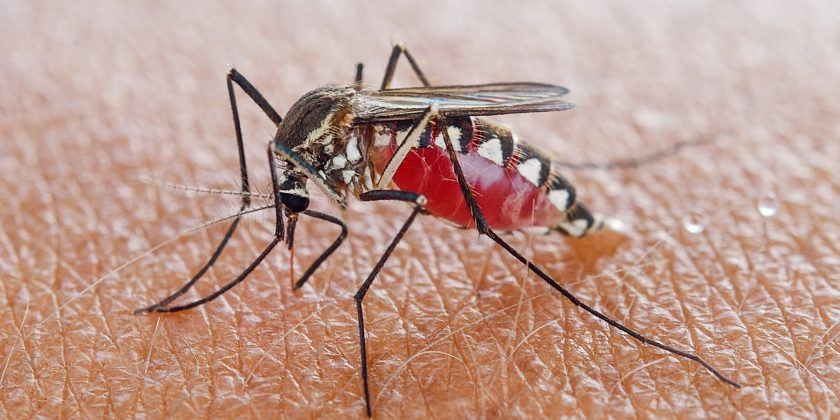
Driven to End Malaria with a Native Film “Plasmodium Clash”
“Prevention is better than cure” goes a popular adage. Instead of waiting to cure Malaria, preventing the spread of the malaria parasite is a better option. Although the sensitization process of the disease is being practiced all-year-round by Non-governmental Organisations (NGOs) and hospitals, there has been a special day reserved each year for malaria. During this day, the executed plan for the previous year’s celebration is been evaluated so that the next strategic plan can kick off. The 2026 world malaria day is on the 25th of April with the theme “Driven to End Malaria; Now We can; Now we must.”
The Big Question!
What causes the parasite, how do they transmit to the human body and how can the parasite be stopped from existing? These are some of the foundational questions that could be asked when putting trying to end to malaria. To kill a tree, one has to kill its root first for if we cut it from the branches or stem it will grow again. To fight malaria, the mosquito is the root. To fight the mosquito, the environment is the root. To fight the environment, the community is the root. People in the community need to be educated through sensitization programmes organised by Non governmental organisations and hospitals about the various measures to use in other to eradicate the malaria parasites.
Brief Information About Malaria
Malaria is a deathly disease which is being caused by a parasite call “Plasmodium”. The disease is transmitted to human when they are being bitten by an infected mosquito call Anopheles. According to the World Health Organisation (WHO), people who are at a higher risk of getting malaria are pregnant women, children below 5 years and people with weaker immune system.
 The word malaria itself comes from an Italian word “mal’aria” which means “bad air”. The actual origin of malaria is still unclear until now because some people belief that malaria started in Italy while others belief that it started in Africa. The idea that malaria started in Africa is because Africa is where the plasmodium parasites are thought to have evolved mingling with humans and mosquitoes. In 1880, the malaria parasite was discovered by Alphonse Leveran, a military doctor at the military hospital in Constantine (Algeria). This confirms the belief that it is from Africa.
Although malaria has been a significant problem in Italy in some past years particularly in pontine marshes because of the presences of Anopheles mosquito vectors, there has been no reliable proves to show that the disease started in Italy. Today, malaria can be found in more than one hundred countries with highest rate in the tropical and subtropical regions.
Some symptoms of Malaria
• Headache
• Fever
• Joint pains
If these symptoms are not treated it can result to:
• Cerebra Malaria
• Organ’s failure
• Coma
• Death
Prevention and Treatment
Malaria prevention can be done by eradicating mosquitoes through the use of insecticides and mosquito nets as well as keeping the environment clean. Some people take preventive drugs and vaccines to prevent malaria. When infected by malaria, the patient can be treated with various medications or herbs depending on the state of the parasite in the system of the patient.
Some Facts!
Most people are still very ignorant about the causes, symptoms, and prevention of malaria. These ignorance makes some of them to fall victims in the hands of scammers who presents themselves as native doctors or prophets especially in Africa. These people tell the patients different stories behind their illnesses leaving the patients with different thoughts for the cause of their fever or joint pains meanwhile they are actually having malaria. This remain one of the reasons why Malaria is one of the most killer diseases especially in Africa.
Way forward!
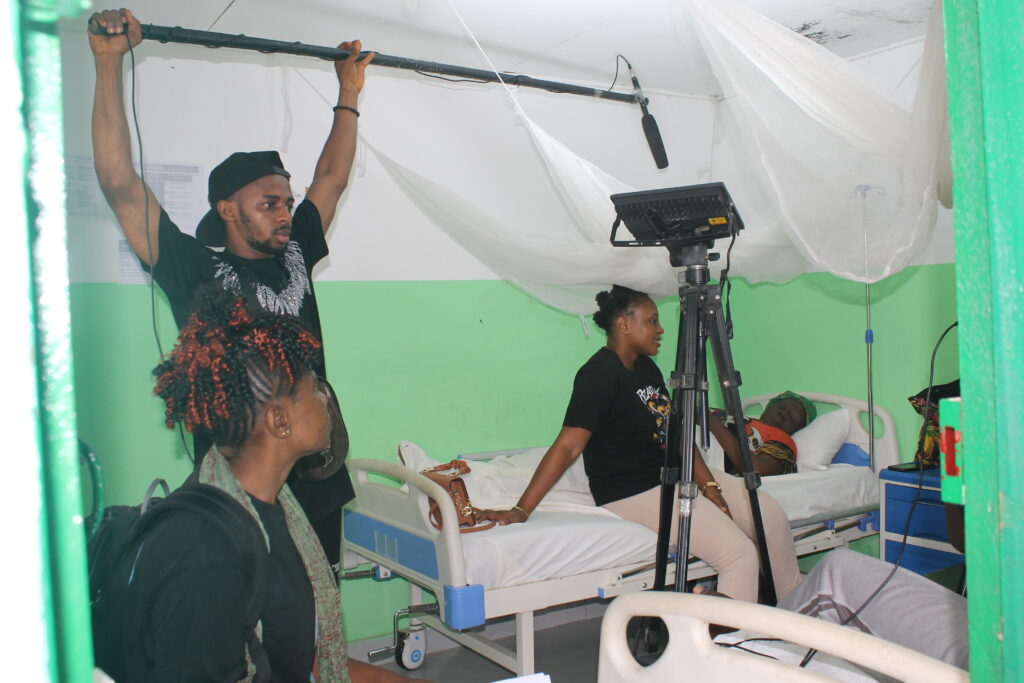 Sensitizing the community with moving images could help spread the message effectively and efficiently because today, the society is more film-oriented. People prefer to watch films than to attend seminars for educational purposes. It is for this reason that the filmmaker, Jenet Agbor, sees the need of putting this educative piece “Plasmodium Clash” to help reduce death rate caused by Malaria. This short film is to remind the society about the cause and prevention of Malaria. The drama/comedy Film was created with the local Cameroon pidgin language to enable the local community to get the message with ease.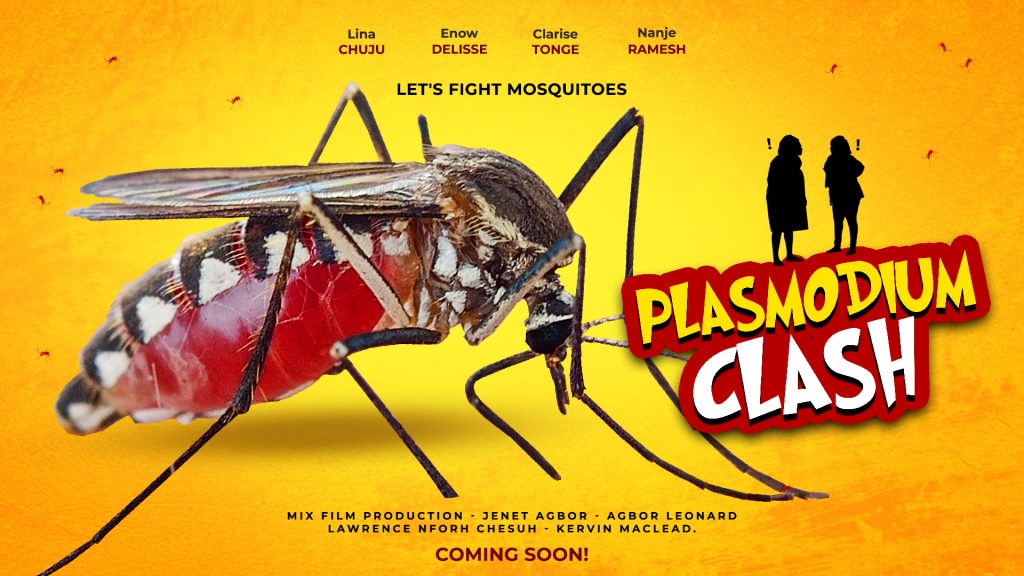
Thank you for reading
Enjoyed this piece? Support our work, Help us keep this page running. Donate today